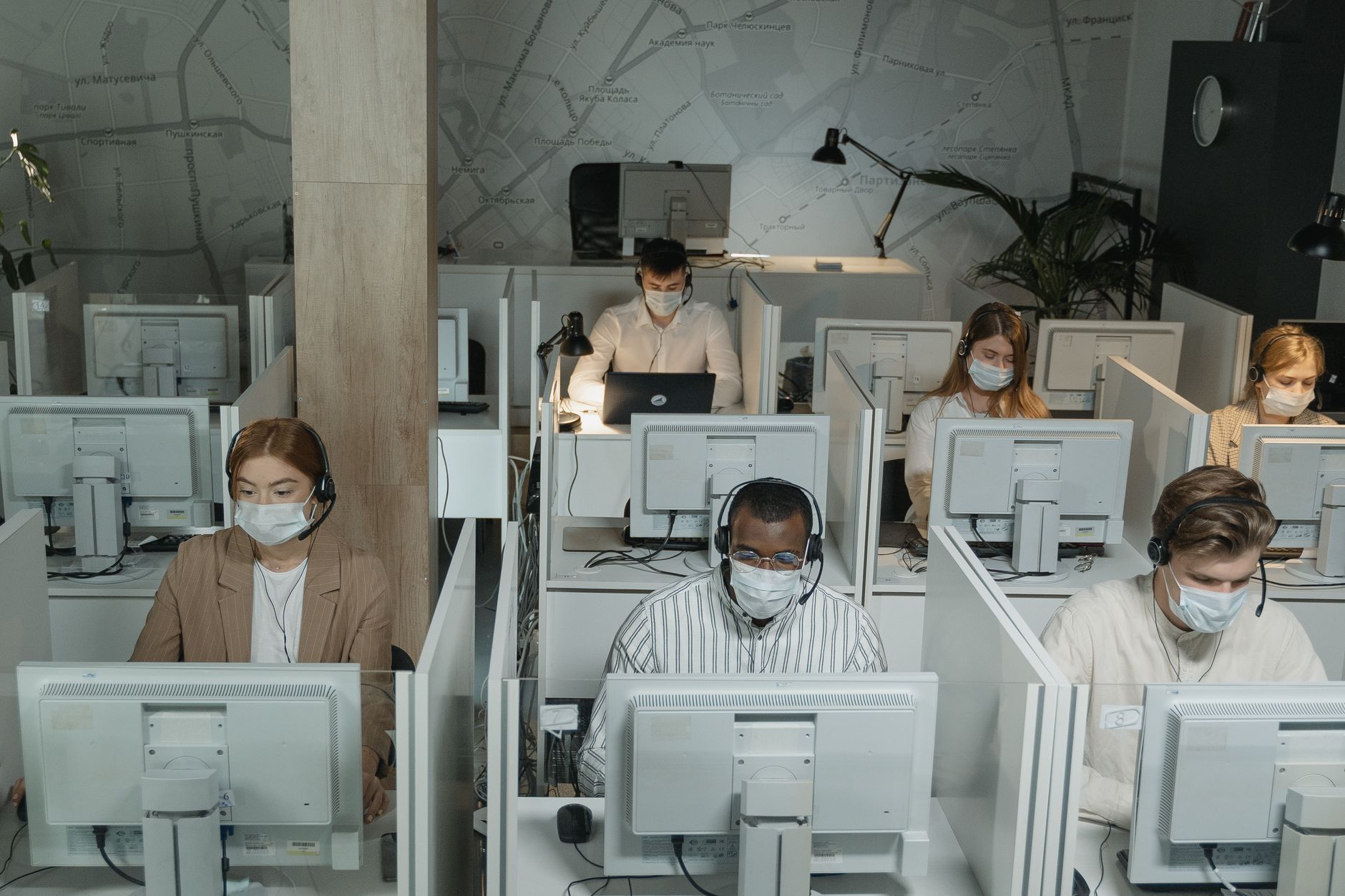
In today’s fast-paced digital landscape, the role of IT support technicians has become increasingly vital for organizations striving to maximize efficiency. These professionals serve as the backbone of technological operations, ensuring that systems run smoothly and that any issues are promptly addressed. By providing immediate assistance and troubleshooting, IT support technicians help minimize downtime, allowing employees to focus on their core responsibilities without the distraction of technical difficulties.
Their expertise not only resolves immediate problems but also contributes to a more streamlined workflow, ultimately enhancing overall productivity. Moreover, IT support technicians play a crucial role in educating users about technology and best practices. By offering training sessions and resources, they empower employees to utilize tools effectively, reducing the frequency of support requests.
This proactive approach not only fosters a culture of self-sufficiency but also cultivates a more tech-savvy workforce. As organizations increasingly rely on technology to drive their operations, the contributions of IT support technicians become indispensable in maximizing efficiency and ensuring that technological resources are utilized to their fullest potential.
Key Takeaways
- IT support technicians play a crucial role in maximizing efficiency within an organization by providing timely and effective technical assistance to end-users.
- Implementing effective IT support systems is essential for ensuring smooth operations and minimizing downtime for businesses.
- Streamlining IT processes is key to increasing productivity and reducing the time required to resolve technical issues.
- Utilizing automation and AI in IT support can help in automating routine tasks, improving response times, and enhancing overall efficiency.
- Proactive maintenance and monitoring are essential for identifying and addressing potential issues before they escalate, leading to improved system reliability and performance.
Implementing Effective IT Support Systems
To harness the full potential of IT support technicians, organizations must implement effective IT support systems that facilitate seamless communication and problem resolution. A well-structured support system includes a ticketing system that allows users to report issues easily while enabling technicians to prioritize and manage requests efficiently. By categorizing and tracking support tickets, organizations can identify recurring problems and address them proactively, leading to a more efficient resolution process.
Additionally, integrating remote support tools can significantly enhance the effectiveness of IT support systems. These tools allow technicians to access users’ devices remotely, enabling them to diagnose and resolve issues without the need for on-site visits. This not only saves time but also reduces operational costs associated with travel and logistics.
By investing in robust IT support systems, organizations can create an environment where technicians can operate at their highest capacity, ultimately leading to improved service delivery and user satisfaction.
Streamlining IT Processes for Increased Productivity

Streamlining IT processes is essential for increasing productivity within an organization. By analyzing existing workflows and identifying bottlenecks, IT support teams can implement changes that enhance efficiency. For instance, automating routine tasks such as software updates or system backups can free up valuable time for technicians to focus on more complex issues that require their expertise.
This not only improves response times but also ensures that critical tasks are completed consistently and accurately. Furthermore, standardizing procedures across the IT department can lead to greater consistency in service delivery. By establishing clear protocols for common issues, technicians can resolve problems more quickly and effectively.
This standardization also facilitates knowledge sharing among team members, as everyone follows the same guidelines and best practices. As a result, organizations can expect a more cohesive IT support experience that ultimately contributes to increased productivity across all departments.
Utilizing Automation and AI in IT Support
The integration of automation and artificial intelligence (AI) into IT support processes is revolutionizing the way organizations manage their technological resources. Automation tools can handle repetitive tasks such as password resets or system monitoring, allowing technicians to concentrate on more strategic initiatives. This shift not only enhances efficiency but also reduces the likelihood of human error, leading to more reliable outcomes.
AI-driven solutions are also making significant strides in improving IT support services. Chatbots and virtual assistants can provide immediate responses to common queries, offering users quick solutions without the need for human intervention. This not only improves response times but also allows IT support teams to allocate their resources more effectively.
By leveraging automation and AI technologies, organizations can create a more agile IT support environment that adapts to the evolving needs of users while maintaining high levels of service quality.
Proactive Maintenance and Monitoring for Preventative Solutions
Proactive maintenance and monitoring are essential components of an effective IT support strategy. By regularly assessing systems and identifying potential vulnerabilities before they escalate into significant issues, organizations can save time and resources in the long run. Implementing routine checks on hardware and software ensures that any anomalies are detected early, allowing technicians to address them before they disrupt operations.
Additionally, monitoring tools can provide real-time insights into system performance, enabling IT teams to respond swiftly to any irregularities. This proactive approach not only minimizes downtime but also enhances overall system reliability. By prioritizing preventative solutions, organizations can foster a culture of continuous improvement within their IT departments, ultimately leading to a more resilient technological infrastructure.
Enhancing Communication and Collaboration within IT Support Teams
Effective communication and collaboration are critical for the success of any IT support team. When team members share information openly and work together cohesively, they can tackle challenges more efficiently and deliver better service to users. Establishing regular team meetings and utilizing collaboration tools can facilitate knowledge sharing and ensure that everyone is aligned on priorities and objectives.
Moreover, fostering a culture of collaboration encourages technicians to seek assistance from one another when faced with complex issues. By leveraging the diverse skill sets within the team, organizations can enhance problem-solving capabilities and improve overall service delivery. Encouraging open dialogue not only strengthens relationships among team members but also creates an environment where innovation can thrive, ultimately benefiting the entire organization.
Leveraging Data Analytics for Improved IT Support Performance
Data analytics is becoming an increasingly valuable asset in optimizing IT support performance. By collecting and analyzing data related to support requests, response times, and user satisfaction, organizations can gain valuable insights into their IT operations. This information allows teams to identify trends, assess performance metrics, and make informed decisions about resource allocation and process improvements.
For instance, analyzing ticket resolution times can help identify areas where additional training may be needed or where processes could be streamlined further. Additionally, user feedback collected through surveys can provide insights into areas where service delivery may be lacking. By leveraging data analytics effectively, organizations can continuously refine their IT support strategies, ensuring that they meet the evolving needs of users while maintaining high standards of service quality.
Continuous Training and Development for IT Support Technicians
The rapidly changing landscape of technology necessitates continuous training and development for IT support technicians. As new tools and systems emerge, it is essential for technicians to stay updated on the latest trends and best practices in the industry. Organizations that prioritize ongoing education not only enhance the skill sets of their teams but also foster a culture of innovation and adaptability.
Investing in training programs—whether through workshops, online courses, or certifications—can significantly improve the capabilities of IT support technicians. This commitment to professional development not only benefits individual employees but also strengthens the overall performance of the IT department. By equipping technicians with the knowledge and skills they need to excel in their roles, organizations can ensure that they remain competitive in an ever-evolving technological landscape.
In conclusion, the role of IT support technicians is pivotal in maximizing efficiency within organizations. By implementing effective systems, streamlining processes, utilizing automation and AI, prioritizing proactive maintenance, enhancing communication, leveraging data analytics, and investing in continuous training, businesses can create a robust IT support framework that drives productivity and innovation. As technology continues to evolve, so too must the strategies employed by IT departments to ensure they remain at the forefront of organizational success.
If you are looking for IT support in Naples, Florida, Zoe Squad is a great option. They offer a range of services including malware removal and helpdesk tech support. One article that may be of interest to IT support technicians is their piece on malware removal in Naples, Florida. This article provides valuable information on the importance of removing malware from devices and the steps involved in the process. It is a must-read for IT professionals looking to enhance their skills in cybersecurity.